

Peyronie’s disease (PD) management should follow a stepwise, phase-appropriate approach. The American Urological Association (AUA) guideline recommends intralesional therapy for active or early stable disease and surgery for stable disease with persistent, funtionally significant deformity.1
Although intralesional collagenase clostridum histolyticum (CCH) is the only FDA-approved nonsurgical therapy for PD, approximately 30 percent of patients do not achieve clinically meaningful correction. Management after CCH failure is less clearly defined, particularly in men with preserved erectile function who may still benefit from additional nonsurgical treatment before proceeding to surgery.
Intralesional verapamil remains an option in the AUA guideline, although its supporting evidence is limited and heterogeneous. Its potential role after CCH failure is therefore not well established. Importantly, treatment success in this setting may not require complete nonsurgical correction. A partial reduction in curvature may simplify subsequent surgical management by reducing the deformity to one more amenable to plication rather than a more extensive grafting procedure.
This case illustrates a guideline-concordant stepwise approach for a patient in his mid 60s with preserved erectile function and persistent 60° dorsal and 20° left lateral curvature after four cycles of CCH. Intralesional verapamil produced meaningful partial improvement, reducing the deformity to a residual 45° predominantly dorsal curvature, after which modified tunical plication achieved complete correction.
Case Highlights:
- A man in his mid 60s presented with traumatic-onset PD (60° dorsal and 20° left lateral curvature) with mild ED responsive to PDE5 inhibitors.
- He had previously failed eight injections of intralesional CCH at an outside institution.
- Intralesional verapamil injections (12 total) reduced curvature to 45° dorsal, enabling definitive correction with modified ventral penile plication using permanent horizontal mattress sutures.
- Preoperative counseling included an evidence-based discussion that plication does not produce additional length loss beyond that attributable to PD itself.
- At follow-up, the patient reported complete penile straightening with no exacerbation of ED and no concern regarding penile length loss.
Background on PD
PD is a fibrotic disorder of the tunica albuginea characterized by plaque formation, penile curvature, shortening, and erectile dysfunction (ED), affecting an estimated 3 to 9 percent of adult men. The pathophysiology involves repetitive microvascular trauma to the tunica albuginea, triggering an aberrant wound-healing cascade mediated by TGF-β1 overexpression, myofibroblast transformation, and excessive collagen deposition in genetically susceptible individuals. PD is part of a spectrum of fibroproliferative disorders that includes Dupuytren’s contracture, with risk factors including diabetes, hypertension, smoking, and prior urologic instrumentation.
The disease follows a biphasic course: an acute phase (6 to 18 months) of pain and evolving deformity, followed by a chronic stable phase. Spontaneous resolution of curvature is uncommon; in the largest natural history study, only 12 percent of untreated men improved, while 48 percent worsened.
The AUA guideline on Peyronie’s disease provides the management framework, recommending against oral therapies (vitamin E, tamoxifen) because of a lack of efficacy. Intralesional CCH is the only FDA-approved nonsurgical treatment, supported by the IMPRESS trials demonstrating a mean curvature reduction of 17° versus 9.3° for placebo. Intralesional verapamil injection is included as an option in the AUA guideline, although the evidence is characterized as weak. Surgical intervention, reserved for stable disease, includes tunical plication (adequate erectile function, amenable curvature), plaque incision/excision with grafting (complex or severe deformities), and penile prosthesis (refractory erectile dysfunction).
Case Presentation
A patient in his mid 60s was referred for evaluation of PD. Approximately 1 year earlier, he sustained penile trauma and developed progressive curvature. Erectile function was preserved with PDE5 inhibitors. He had undergone four cycles of intralesional CCH (eight injections) at the referring institution without improvement. The patient was able to achieve adequate rigidity for penetration and satisfactory sexual intercourse using PDE5 inhibitors.
Diagnostic Evaluation. Penile duplex Doppler ultrasonography with pharmacologic challenge (0.10 mL Trimix) demonstrated a 3.4 × 0.30 cm area of focal hyperechoic thickening of the tunica albuginea dorsally on the right mid-upper penile shaft, a predominantly fibrotic plaque without calcification or posterior acoustic shadowing (Figure 1).
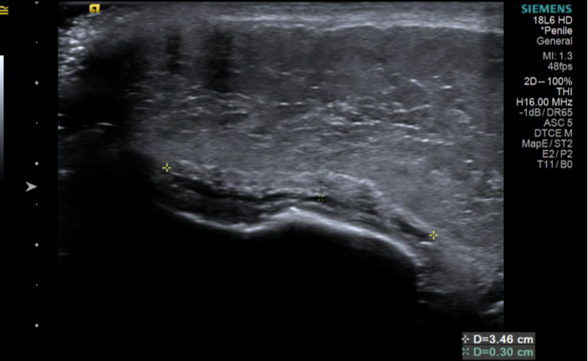
Doppler evaluation revealed asymmetric hemodynamics: the right cavernosal artery showed low peak systolic velocity (PSV = 10.2 cm/sec, EDV = 4.9 cm/sec) with borderline systolic rise time (SRT = 0.092 sec), while the left was normal (PSV = 55.2 cm/sec, EDV = 5.2 cm/sec, SRT = 0.075 sec), consistent with unilateral right peripheral arterial insufficiency.
Curvature measurement with a goniometer documented a 60° dorsal curvature with 20° left lateral curvature and some indentation.
Intralesional Verapamil: Evidence in Context
Given CCH failure, intralesional verapamil was initiated after shared decision-making. After six injections, significant improvement was noted, with a residual 45° dorsal midshaft curvature and near-complete correction of the left lateral curvature and indentation. A subsequent six injections were administered (12 total). However, repeat office injection testing revealed no further curvature improvement.
Surgical Intervention
With stable disease, residual functionally significant curvature, and adequately preserved erectile function responsive to PDE5 inhibitor therapy, the patient elected surgical correction in accordance with AUA Peyronie’s Disease Guideline recommendations. Optical loupe magnification was used throughout the case to minimize the risk of neurovascular injury.
A tourniquet was applied to the base of the penis, and an artificial erection was obtained using injectable saline via a 23-gauge butterfly needle, confirming the residual dorsal curvature approximately two fingerbreadths below the coronal sulcus. Using a series of parallel small puncture incisions with the tip of an 11-blade just lateral to the urethra bilaterally, 2-0 Ethibond sutures were placed to perform a ventral plication in a horizontal mattress configuration (Figures 2–4). Serial artificial erections were obtained throughout the procedure to assess progressive correction, and additional plication sutures were placed until full straightening was confirmed.
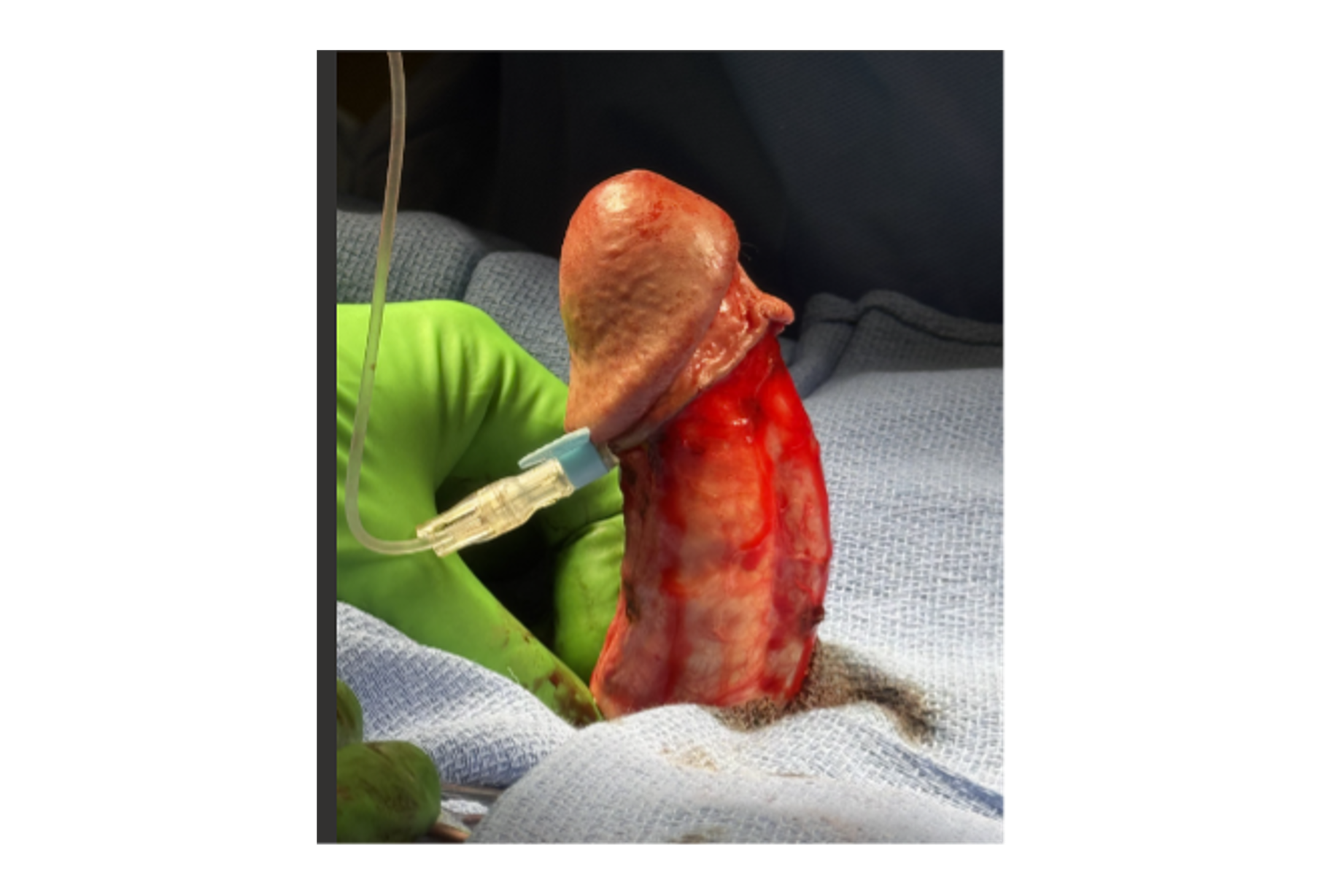
Figure 2. The dorsal curvature with artificial erection prior to plication suture placement. Source: NYU Langone Health
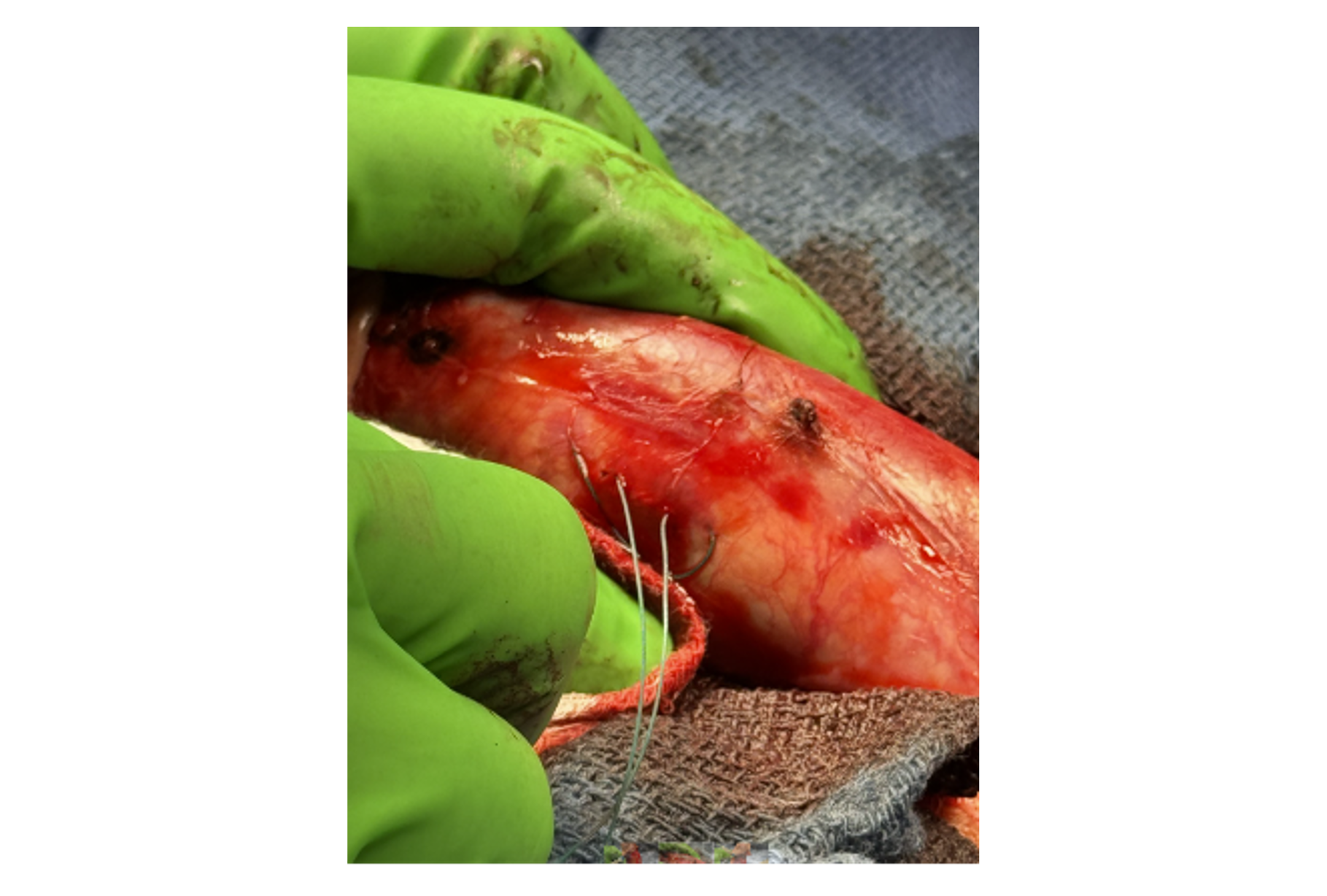
Figure 3. Placement of horizontal mattress plication sutures through the tunica albuginea using 2-0 Ethibond via small puncture incisions just lateral to the urethra. Source: NYU Langone Health
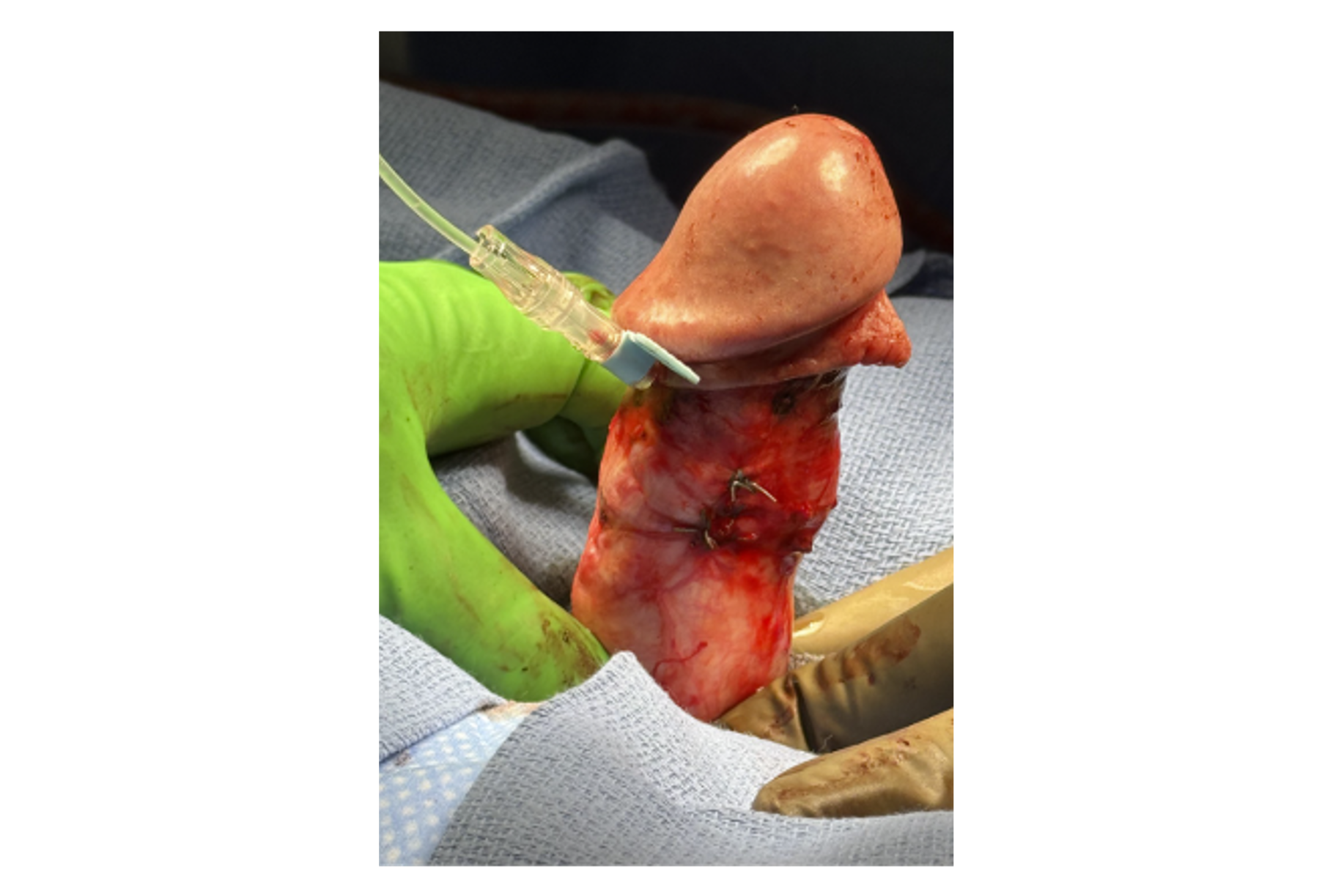
Figure 4. The completed plication sutures on the ventral tunica albuginea with confirmation of penile straightening on artificial erection. Source: NYU Langone Health
Estimated blood loss was less than 10 mL, and there were no complications. At follow-up, the patient reported complete penile straightening with no residual curvature, no exacerbation of ED, and no concern regarding penile length loss.
Discussion
Stepwise Therapy and CCH Failure. This case exemplifies a guideline-concordant stepwise approach. CCH was appropriately attempted first but failed, consistent with data showing approximately 30 percent of patients do not achieve clinically meaningful improvement, and nearly half of CCH nonresponders ultimately require surgery.
Intralesional verapamil, employed as a second-line agent, achieved a partial response (60° to 45°) that brought the deformity into a range ideal for plication. Despite the AUA’s cautious characterization, the verapamil literature, while limited by the absence of large, well-powered randomized controlled trials (RCTs), includes several prospective series suggesting clinical benefit in select patients.
The foundational work by Levine in a prospective nonrandomized study of 38 patients treated with 12 biweekly injections of 10 mg verapamil reported an objective curvature decrease in 54 percent, pain resolution in 97 percent, and improved sexual function in 72 percent.2 The same group’s larger experience with 156 patients confirmed these findings: 60 percent of 140 patients completing treatment had objectively measured curvature reduction, 80 percent reported improved distal rigidity, and 71 percent noted improved sexual function, with no recurrence of deformity at a mean follow-up of 30.4 months among responders.3
Wolff et al. prospectively evaluated 60 patients using a protocol of 15 mg verapamil injections every 3 weeks, with a mean of 12.6 injections per patient.4 Mean curvature decreased significantly from 37.3° to 21°, and 78 percent of patients considered themselves globally improved. Notably, younger age was the only independent predictor of response on multivariate analysis, suggesting that earlier intervention may optimize outcomes.
However, the only RCT directly comparing verapamil with saline (n = 14) showed a nonsignificant curvature difference (MD −1.86°), rated as very low-certainty evidence by the 2023 Cochrane review.5 A second RCT found similar small curvature decreases in both verapamil and placebo groups.6 The Sadagopan meta-analysis pooling seven study groups found that verapamil significantly improved sexual function and curvature compared with natural history and placebo controls, but acknowledged protocol heterogeneity and the need for a large multicenter RCT.7 The European Urology systematic review by Russo et al. similarly concluded that although verapamil “performed well in single-arm or case-control studies,” strong conclusions could not be drawn from the available data.8
In this case, verapamil achieved a clinically meaningful partial response (60° to 45°) after the initial six injections, consistent with the findings of Wolff et al., although they reported that most patients required at least 12 injections for optimal improvement.4
While the response was insufficient to avoid surgery, it reduced the curvature to a degree ideal for plication rather than the more complex grafting procedure that might have been required for the original 60° deformity. Plaque excision and grafting procedures increase the risk of future erectile dysfunction and are associated with a higher risk of sensory deficit.
Plication Outcomes and Long-Term Durability. Tunical plication achieves curvature correction rates exceeding 90 percent across multiple series, and these results are durable over extended follow-up. Cantoro et al. demonstrated 91 percent complete correction maintained at a mean follow-up of 103 months (>8 years) in 89 patients, with 88.7 percent maintaining good erectile function (IIEF-5 >21).9 Reddy et al. evaluated long-term patient-reported outcomes at a median of 59.5 months (nearly 5 years) in 102 patients and found that 91 percent achieved curvature correction, with outcomes equally favorable in severe (≥60° or biplanar ≥35°) and mild-to-moderate deformities.10
Falcone et al. reported a recurrent curvature rate of only 9.2 percent at a median follow-up of 110 months (>9 years), with minor residual curvature (<20°) in 13.8 percent.11 Salabas et al. found that initial biplanar curvature was a significant predictor of postoperative curvature recurrence after plication, suggesting that grafting may be preferable for complex biplanar deformities.12 Rehman et al. reported that among 26 patients with PD followed 1 to 5 years after modified Nesbit plication, seven developed recurrent curvature attributable to disease progression, five with mild curvature still permitting intercourse, and two requiring repeat plication.13 These data underscore that recurrence is typically related to disease progression rather than surgical failure.
The patient’s residual curvature with preserved erectile function placed him within the ideal plication candidacy profile per the Levine surgical algorithm (curvature <60°, adequate rigidity, no hourglass or hinge deformity). Surgery after prior CCH is safe; multiple series confirm no increased complication rates, although a minimum 6-month interval between the last CCH injection and surgery is recommended.
Surgical Technique Considerations. Several technical aspects of this case merit discussion. The use of optical loupe magnification throughout the procedure is an important adjunct to minimize the risk of dorsal neurovascular bundle injury during degloving and suture placement.
The modified plication technique employed, using parallel small puncture incisions with an 11-blade to facilitate 2-0 Ethibond suture placement just lateral to the urethra, avoids full-thickness tunical incision while providing durable correction and suture-knot burial with permanent braided suture.
Notably, Demzik et al. described an alternative “iterative 8-dot” technique using absorbable suture in 66 patients, achieving 97 percent intraoperative success and 91 percent patient-reported straightening at a mean follow-up of 4.5 months, with no revision procedures required.14 Whether permanent or absorbable suture provides superior long-term durability remains an area of ongoing investigation. In our experience, Ethibond has a much softer feel than previously utilized Prolene sutures, and we have not received complaints regarding suture discomfort or excessive knot palpability.
Serial intraoperative artificial erections are essential to guide incremental suture placement and confirm complete correction before closure.
Penile Length After Plication: Reframing the Narrative. Perhaps the most significant barrier to patient acceptance of plication is the perceived risk of penile shortening. Subjective penile shortening is reported by 62 to 78 percent of patients across series, yet objective measurements tell a different story.
Garaffa et al. provided a landmark contribution by analyzing 91 patients undergoing the Nesbit procedure.15 Comparing preoperative and postoperative stretched penile length, the median difference was not statistically significant. Their conclusion, that perceived length loss has already occurred before surgery as a consequence of the disease itself, represents a paradigm shift. The erect penile length in PD is defined by the shorter, concave side; plication merely equalizes the longer convex side to match. The shortening is therefore attributable to PD itself and can be accurately predicted preoperatively.
This is complemented by the “functional penile length” concept from Ly et al., who measured the straight-line base-to-tip distance during erection before and after plication in 28 patients.16 Mean functional length increased from 11.1 to 12.5 cm, a 12.8 percent gain, because straightening a curved penis creates a longer usable axis for intercourse.
Together, these studies reframe the discussion: plication does not take away length the patient currently has; it restores functional length the disease had compromised.
In this case, preoperative counseling incorporating these concepts was instrumental in the patient’s decision to proceed. At follow-up, the patient reported no concern regarding length, highlighting the importance of detailed patient counseling and evidence-based expectation management.
Key Teaching Points
- PD management should follow a stepwise, phase-appropriate approach. The AUA guideline recommends intralesional therapy for active or early stable disease and surgery for stable disease with persistent, functionally significant deformity.
- CCH failure is common and should prompt consideration of alternative intralesional agents or surgery. Approximately 30 percent of patients do not respond to CCH, and nearly half of nonresponders ultimately require surgical intervention.
- Plication is highly effective and durable. Curvature correction rates exceed 90 percent, maintained at follow-up periods exceeding 8 years, with recurrence rates under 10 percent.
- Plication does not cause additional penile shortening. Garaffa et al. (2024) demonstrated no significant difference between preoperative and postoperative stretched penile length. The perceived shortening is caused by PD itself, not the surgery.
- Functional penile length actually increases after plication. Ly et al. (2023) showed a mean 12.8 percent increase in straight-line base-to-tip length after plication because straightening restores usable length.
- Preoperative counseling on length is critical. Explaining that the disease, not the surgery, causes shortening and that functional length improves with straightening can alleviate patient anxiety and improve surgical acceptance.
- Biplanar curvature may predict recurrence after plication. Grafting should be considered for complex biplanar deformities.
References
- Nehra A, et al. J Urol. 2015;194(3):745-753. DOI
- Levine LA. J Urol. 1997;158(4):1395-1399. (Link)
- Levine LA, Goldman KE, Greenfield JM. J Urol. 2002;168(2):621-626. DOI
- Wolff B, et al. Urology. 2015;86(1):57-61. DOI
- Rehman J, Benet A, Melman A. Urology. 1998;51(4):620-626. DOI
- Shirazi M, et al. Int Urol Nephrol. 2009;41(3):467-471. DOI
- Sadagopan A. Andrologia. 2019;51(10):e13388. DOI
- Russo GI, et al. Eur Urol. 2018;74(6):767-781. DOI
- Cantoro U, et al. Int J Impot Res. 2014;26(4):156-159. DOI
- Reddy RS, et al. J Sex Med. 2018;15(10):1498-1505. DOI
- Falcone M, et al. J Sex Med. 2020;17(9):1779-1786. DOI
- Salabas E, et al. Andrologia. 2020;52(11):e13860. DOI
- Rehman J, et al. J Urol. 1997;157(4):1288-1291. DOI
- Demzik A, et al. Urology. 2022;164:e307. DOI
- Garaffa G, et al. Int J Impot Res. 2024;36(8):869-872. DOI
- Ly L, et al. Urology. 2023;172:210-212. DOI