

Referral Notes:
- The transition from pediatric to adult IBD care is a high-risk period for disease flares and medication non-adherence.
- NYU Langone’s IBD team has developed a structured transition program with early skill-building for independence, joint pediatric–adult handoff visits, and multidisciplinary support.
- The program prioritizes disease control while addressing the unique mental health needs of adolescents and young adults.
For adolescents and young adults with inflammatory bowel disease (IBD), the passage from pediatric to adult care is one of the most vulnerable periods of their clinical journey. Research links difficulties with this transition to increased rates of emergency department visits, medication non-adherence, and disease escalation. The challenge is complicated by the psychosocial upheaval of late adolescence: burgeoning independence, shifting family dynamics, developmental changes, and the learning curve of managing a complex chronic disease independently for the first time.
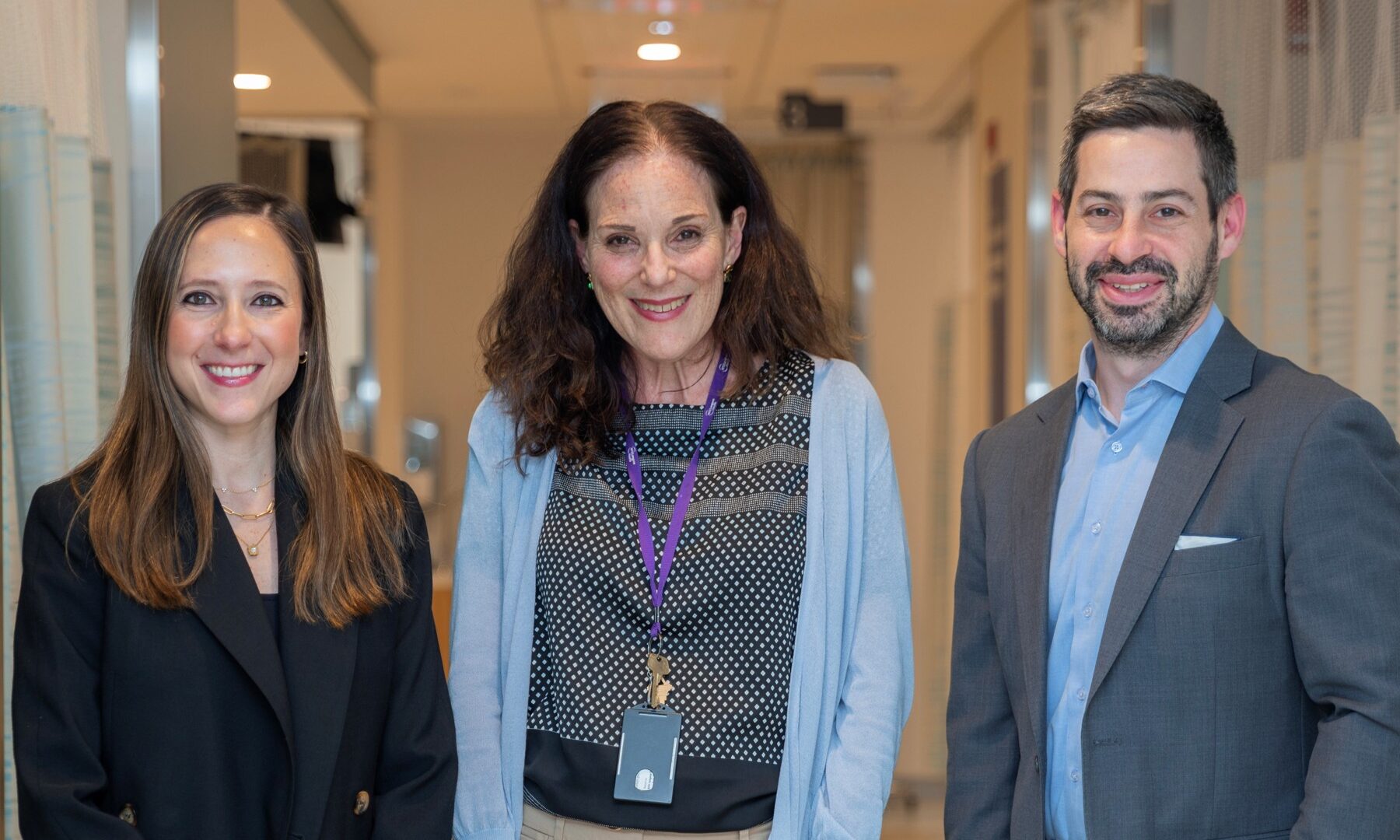
At NYU Langone, Michael Dolinger, MD, MBA, director of the Pediatric IBD Program at Hassenfeld Children’s Hospital at NYU Langone, and Ariela Holmer, MD, a gastroenterologist at the adult Inflammatory Bowel Disease Center with a dedicated focus on transitioning patients, have built a program designed to close those gaps—starting years before the actual handoff. The program is supported by Jessica A. Gerson, PhD, a clinical psychologist at the IBD Center who specializes in the mental health needs of patients with gastrointestinal conditions.
“It’s so important for centers like ours to prioritize, build, and champion these programs.”
Ariela Holmer, MD
“With no national guideline to follow for IBD transition care, it’s so important for centers like ours to prioritize, build, and champion these programs,” says Dr. Holmer.
Starting the Conversation Early
Patients’ first interaction with the transition program happens as they enter adolescence, around age 13. “We begin with a formal assessment of their readiness to transition, including administering the TRAQ (Transition Readiness Assessment Questionnaire),” says Dr. Dolinger. The patient’s IBD knowledge, self-management skills, growing independence, and, critically, their parents’ readiness to step back are all evaluated. “We want to understand where they are across these areas and build up the skills where they’re scoring lower,” he adds.
That early groundwork addresses a common challenge in IBD care transitions: patients presenting for adult care unprepared to navigate treatment or advocate for themselves. Adult IBD visits are shorter than the family-centered appointments of pediatric care. Preparing patients to undergo that shift and manage their care is a core objective of the program.
Two Providers, One Coordinated Transfer
When a patient is ready to transition to adult care, the process is structured around a combined clinic visit—a formal handoff in which Dr. Dolinger and Dr. Holmer see the patient together. “It’s a clinic visit where I hear about everything they’ve gone through and their current status,” explains Dr. Holmer. “Then I take over and we make a plan from an adult perspective.”
“This model—the early preparation, the shared handoff, the comprehensive services—is just better care for any IBD patient.”
Michael Dolinger, MD, MBA
Proximity makes this possible: both specialists practice within the same IBD center, allowing Dr. Holmer to informally introduce herself to families long before the transition visit takes place. “I can pop into the room and say hello,” she says, “so the family and patient become familiar with me.”
Addressing the Whole Patient
The transition-age population experiences a specific physical and psychosocial disease burden. Pediatric-onset IBD is often more extensive and aggressive than disease diagnosed in adulthood, so by the time these patients reach Dr. Holmer, many have already cycled through multiple therapies, require more intensive cancer surveillance, and face a higher surgical risk.
Layered on top of those clinical complexities, which can put patients at risk for depression, anxiety, substance use, and disordered eating, are the psychosocial realities of young adulthood: increasing academic and social pressures, separation and individuation from family, and cognitive and emotional developmental changes. The shared handoff model helps surface and address those issues before they affect a patient’s care.
Dr. Gerson is central to that effort. Working alongside Dr. Dolinger and Dr. Holmer, she conducts a more in-depth assessment of patients who may benefit from additional support. “I meet with patients to get a true sense of their ability to manage their health and identify potential barriers—whether that involves communicating with providers, advocating for themselves, or managing social dynamics with peers,” explains Dr. Gerson.
She then offers individual and/or family therapy, along with access to a peer support group for adolescents with IBD. “When teens talk to each other, it can be even more powerful than the one-on-one work I do with them,” she adds.
“When teens talk to each other, it can be even more powerful than the one-on-one work I do with them.”
Jessica A. Gerson, PhD
In one recent case, Dr. Dolinger flagged a transitioning patient whose primary concern was not his IBD, but a history of substance abuse, mental health challenges, and active suicidal risk. “Because I knew what the most pressing issue was going in, our first adult visit could be spent solving it,” says Dr. Holmer. “I had not had an adult visit like that before—the focus had to shift, and it was incredibly beneficial to have the pediatric team there with us.”
With support from Dr. Gerson, pediatric nurse practitioner Jenna Breit, and a referral to a new psychiatrist, the patient stabilized. At his follow-up visit, he arrived independently and had taken ownership of his care.
That outcome reflects the program’s multidisciplinary infrastructure. The team also includes registered dietitian Danielle Barsky, adult nurse practitioners, and surgeons who can step in as needed.
Expanded Treatment Access at a Critical Juncture
Transitioning to adult care at a coordinated IBD center also expands treatment options. “The moment patients turn 18, they become eligible for therapies and trials that weren’t available to them before,” says Dr. Dolinger. “That’s a meaningful clinical opportunity—and one reason getting the transition right matters so much.”
Although no national guideline yet exists for IBD transition care, Dr. Dolinger, Dr. Holmer, and Dr. Gerson see their integrated approach as a framework worth formalizing.
“This model—the early preparation, the shared handoff, the comprehensive medical and mental health services—is just better care for any IBD patient,” Dr. Dolinger says.