

Referral Notes:
- The Pink and Pearl Campaign, recently launched at NYU Langone, integrates lung cancer screening into routine mammography appointments.
- The program addresses a critical gap where fewer than 20 percent of eligible patients receive lung cancer screening despite greater than 70 percent compliance with breast cancer screening nationally.
- During mammography intake, women aged 50 to 80 with 20+ pack-year smoking histories are offered same-day, low-dose CT screening.
- NYU Langone aims to expand the model to drive higher uptake of additional cancer screenings.
A newly launched dual-screening initiative at NYU Langone Health aims to increase lung cancer detection among women by offering screening to at-risk patients during routine mammography screening visits.
The Pink and Pearl Campaign—first established in 2019 by public health programs in Tennessee, and later adopted by select centers nationwide—addresses a critical gap: while mammography screening rates exceed 70 percent among eligible women nationally, lung cancer screening rates remain low despite established guidelines for high-risk individuals.
“The beauty of this approach is that we’re meeting patients where they already are—in a screening mindset.”
Amie Kent, MD
“We want to capture women who would otherwise fall through the cracks,” says Amie J. Kent, MD, a cardiothoracic surgeon who implemented NYU Langone’s program in partnership with thoracic medical oncologist Abraham Chachoua, MD. “The beauty of this approach is that we’re meeting patients where they already are—in a screening mindset.”
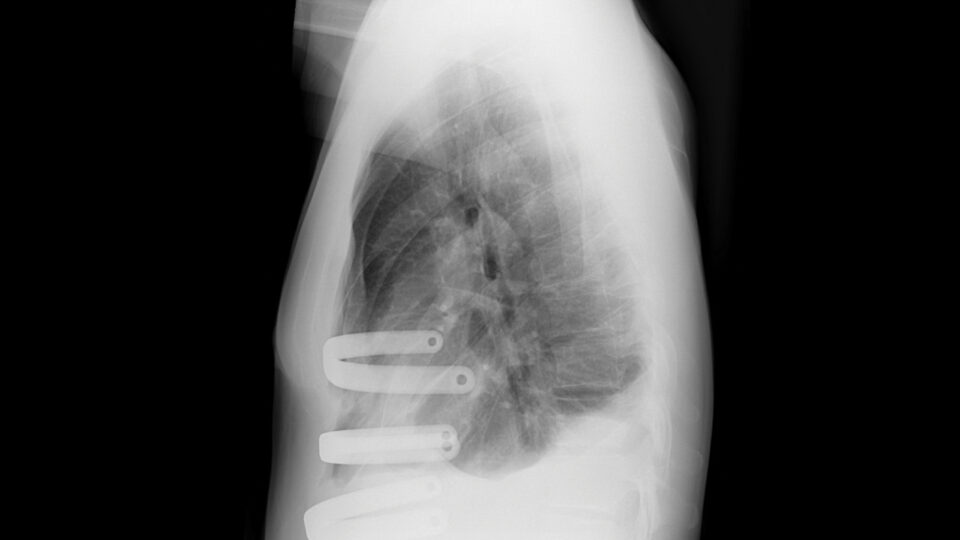
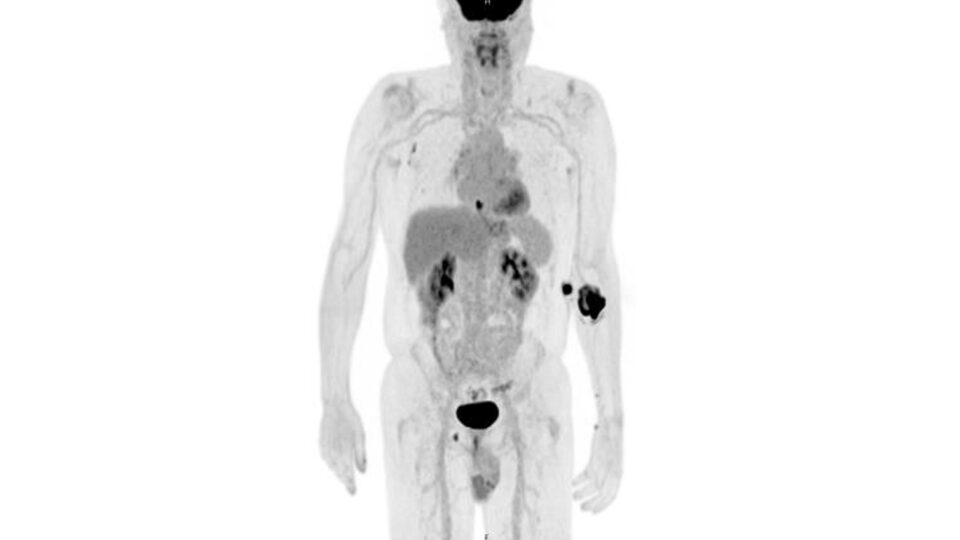
A recent case highlights both the immediate benefit to an individual and the program’s long-term potential to improve lung cancer outcomes at a population level. A 57-year-old woman presenting for routine screening mammography met criteria for lung cancer screening based on her smoking history. She received a CT scan the same day, which revealed an early-stage malignancy that would likely have gone undetected for years. She underwent surgery within weeks, followed by adjuvant chemotherapy.
Closing the Screening Gap
National data underscore the need: Fewer than 20 percent of eligible patients receive screening CTs for lung cancer. This disparity is particularly important for women, who often present with more advanced disease at diagnosis.
The Pink and Pearl Campaign addresses this gap by capitalizing on mammography compliance. Women aged 50 to 80 with at least 20 pack-year smoking histories who quit within the last 15 years or continue smoking are identified during mammography intake. Those meeting criteria are offered lung cancer screening the same day at participating NYU Langone sites that offer both breast and lung imaging.
“Women are very good about getting mammography. We’re aligning the lung cancer screening opportunity with that predictable behavior.”
Abraham Chachoua, MD
“Ideally, all individuals eligible for lung cancer screening would be screened,” says Dr. Chachoua. “But the reality is that women are very good about getting mammography and not nearly as adherent with lung cancer screening, or even routinely visiting their primary care physician who may advise screening. We’re aligning the lung cancer screening opportunity with that predictable behavior.”
Managing Risk and False Positives
A primary concern with routine lung cancer screening is the high rate of non-specific findings requiring follow-up imaging, additional radiation exposure, or invasive biopsies. The Pink and Pearl Campaign addresses this through shared decision-making conversations before and after screening.
“While mammography has a lower rate of incidental findings, the broader field of view of a chest CT can uncover thyroid nodules, kidney cysts, coronary calcifications, and other findings that may require further workup,” Dr. Kent explains. “Even suspected lung cancer findings will require additional diagnostics to make or rule out a diagnosis. It’s important that patients understand the full picture.”
Dr. Chachoua adds that NYU Langone is exploring additional risk stratification through molecular blood tests to better pinpoint cancer and potentially reduce false positives. “We’re working to combine conventional CT screening with emerging molecular tools to improve accuracy and potentially reduce unnecessary procedures,” he says.
Scaling Surveillance Across the System
The program is well suited to NYU Langone’s integrated health system infrastructure, where both mammography and CT can be found within close proximity at most sites.
“Having that infrastructure matters,” Dr. Chachoua notes, “but what really makes it work is our cross-disciplinary culture. Our physicians are collaborative in the interests of the patient. Nobody works in silos. We’re one system trying to do things the right way, not the departmental way, and that enables dual-aim programs such as Pink and Pearl.”
“We hope to use this as a model for other screenings. The principle is the same: reach more eligible patients, improve screening rates, save lives.”
Dr. Chachoua
Early results suggest the approach works as intended, and over time the program is expected to catch more patients presenting at earlier, more treatable stages of disease. Dr. Kent adds that expansion beyond current sites across NYU Langone’s network is planned as outcomes are documented and the program matures.
The vision behind the program could also extend beyond lung cancer and mammography. “We hope to use this as a model for other screenings,” Dr. Chachoua explains. “For instance, could we combine colonoscopy with lung cancer screening or mammography? Some screening procedures are more complex, but the principle is the same: reach more eligible patients, improve screening rates, save lives.”