

Referral Notes:
- Improving transplant access requires expanding the deceased donor pool, including by increasing rates of donation after circulatory death (DCD).
- NYU Langone researchers found that DCD donors now account for 49 percent of deceased organ donations, up from 2 percent in 2000.
- Marked geographic variation exists, with DCD in 2025 ranging from 11 to 73 percent across organ procurement organizations.
- Future work will include establishing best practices for DCD organ selection, preservation, and allocation.
According to a study published in JAMA, organ donation after circulatory death (DCD), in which organs are recovered from donors with irreversible loss of circulatory function, now accounts for about half of deceased organ donations.
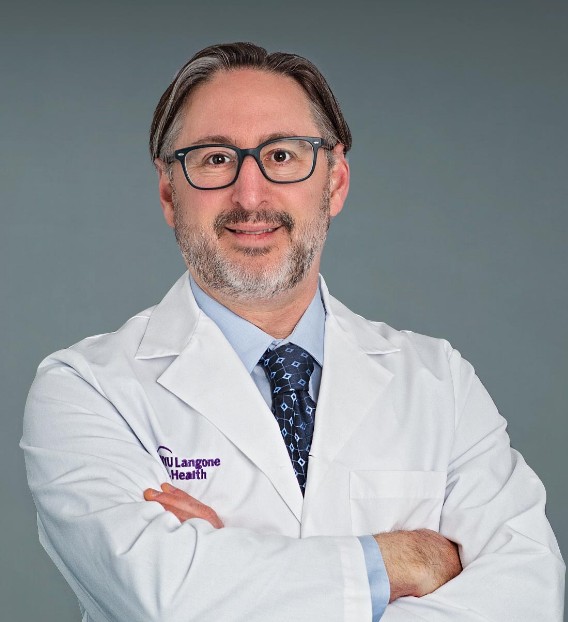
Significant advancements in recovery and organ perfusion technology since 2019 has enabled this shift, explains study co-senior author Dorry L. Segev, MD, PhD, director of NYU Langone Health’s Center for Surgical and Transplant Applied Research.
“Normothermic perfusion technologies have been a game-changing development in the field.”
Dorry L. Segev, MD, PhD
“Normothermic perfusion technologies have been a game-changing development in the field,” Dr. Segev says. “These tools have removed barriers that once hindered donation after circulatory death.”
Growing Reliance on DCD
Historically, DCD organ transplantation was limited by increased complexity of recovery and higher rates of organ dysfunction compared with donation after brain death (DBD). Despite these limitations, the need for improved transplant access fueled innovations that helped to overcome these barriers.
“Newer technologies may extend organ viability in DCD by reducing ischemic injury when the interval between life support withdrawal and circulatory death is extended,” Dr. Segev says.
Since it became more widely used in 2019, normothermic regional perfusion—whereby perfusion is restored in situ to limited organs after circulatory death—has greatly contributed to the rise in recovery of DCD organs.
Notably, normothermic machine perfusion supported the advent of DCD heart transplantation in 2019, and the regulatory approval of machine perfusion for livers in 2021 contributed to the subsequent acceleration of DCD liver recovery.
Most recently, these technologies are increasingly being adopted by transplant programs and organ procurement organizations (OPOs).
Retrospective Analysis
Dr. Segev and colleagues conducted a retrospective analysis to capture national trends in DCD organ transplantation. The study used data from the Organ Procurement and Transplantation Network to identify all United States deceased donor organs recovered from 2000 to 2025.
The researchers found that DCD donors increased from 118 in 2000 (2 percent of all donors) to 8,129 in 2025 (49 percent of all donors), while DBD donors rose from 5,849 to 8,416.
They also observed a rise in DCD transplants for all organs, with DCD now accounting for 45 percent of deceased donor kidney transplants, 39 percent of liver, 23 percent of heart, 19 percent of lung, and 10 percent of pancreata transplants.
Compared to earlier decades, contemporary DCD donors were older, had higher body mass index, were more likely to have diabetes, hypertension, and hepatitis C, and were more likely to have died due to anoxia.
“DCD donors are the most rapidly growing source of life-saving organs in the country, yet current DCD practices remain more heterogenous than those for DBD donors.”
Assessing recovery patterns across the 55 OPOs in the US, the researchers found substantial geographic variation: in some regions, DCD accounted for as much as 73 percent of donors, while in others it was as low as 11 percent—even in 2025.
“DCD donors are the most rapidly growing source of life-saving organs in the country,” Dr. Segev says. “Despite this, current DCD practices remain more heterogeneous than those for DBD donors.”
Establishing Best Practices
According to Dr. Segev, these findings can help establish best practices in DCD organ selection, preservation, and allocation, and as a result, improve transplant rates nationally.
He notes that varying DCD practices could lead to geographic disparities in transplant access, highlighting the importance of uniformity across transplant programs and OPOs. Dr. Segev predicts that DCD transplants will continue to grow, likely surpassing DBD transplants in the near future.
“NYU Langone is working with national organizations and OPOs, helping them to develop expertise with DCD donors,” says Dr. Segev. “This includes educating nursing staff, organizational staff, and physicians on best practices.”
In future work, the researchers will continue to evaluate DCD donor outcomes using national registry and electronic medical record data.