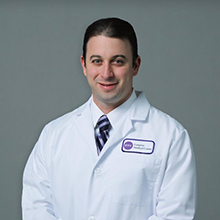

Over the past 16 years, Eric J. Strauss, MD, has helped shape orthopedic surgical education at NYU Langone Orthopedics, initially as associate program director and now as director of its residency training program. During his tenure, the program has expanded from 12 to 16 residents per year, making it the largest orthopedic surgery residency program as of 2026. Dr. Strauss has also helped navigate a period of significant change in the field, marked by advances in new technologies, increasing use of data-driven decision-making, and evolving approaches to resident training and patient care.
A sports medicine specialist and clinician-scientist, Dr. Strauss sees residency education as an extension of patient care. Here, he discusses how orthopedic training has changed, what residents need to succeed in today’s healthcare environment, and the leadership lessons he’s learned along the way.
Physician Focus: NYU Langone Orthopedics has a longstanding reputation for training outstanding surgeons. What does the program do differently?
Dr. Strauss: We now train 16 residents a year, so one of our foremost responsibilities is making sure each trainee gets both broad clinical exposure and individualized mentorship.
Residents rotate across multiple hospitals and subspecialties, seeing everything from sports injuries and joint replacements to complex trauma, oncology, and reconstructive cases. That diversity of both cases and patient populations helps accelerate learning. Additionally, the operative experience is early and extensive, allowing trainees to build confidence and autonomy while working closely with experienced faculty.
“Despite our size, we’ve worked hard to preserve a close-knit environment.”
Eric J. Strauss, MD
We’re also very intentional about how we teach. Alongside traditional clinical and operative training, we incorporate simulation, mentorship programs, research opportunities, and individualized feedback. Rather than assuming the curriculum should stay the same from year to year, we regularly reassess how residents are learning and where they need additional support.
Despite our size, we’ve worked hard to preserve a close-knit environment. Residents are supported by faculty who are deeply invested in their personal and professional success.
Physician Focus: What major changes are shaping orthopedic medicine and how has the residency program adapted?
Dr. Strauss: Orthopedic surgery has changed significantly during my time in education, both in how we care for patients and how we train surgeons.
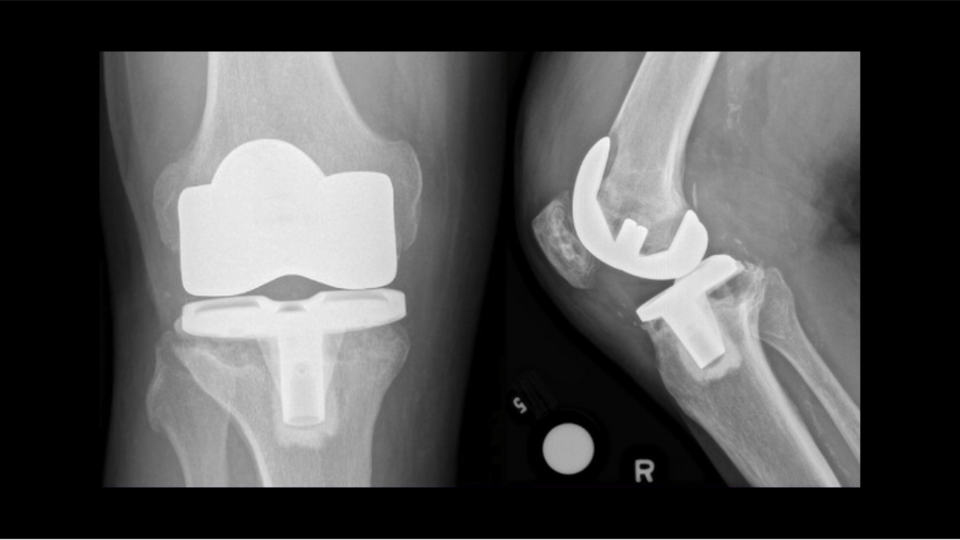
One of the biggest shifts has been the growing role of technology and data in clinical decision-making. Robotics, advanced imaging, computer navigation, artificial intelligence, and outcomes data are becoming increasingly important across every orthopedic subspecialty. Our goal is not simply to expose residents to these tools, but to teach them how to evaluate when the tools add value and when they don’t.
“Our goal is not simply to expose residents to these tools, but to teach them how to evaluate when the tools add value and when they don’t.”
The way we deliver care has evolved as well. More procedures are being performed in ambulatory settings, and there’s increased emphasis on perioperative optimization, enhanced recovery pathways, and value-based care. We ensure residents learn not only how to perform an operation, but how to manage the full patient experience before and after surgery.
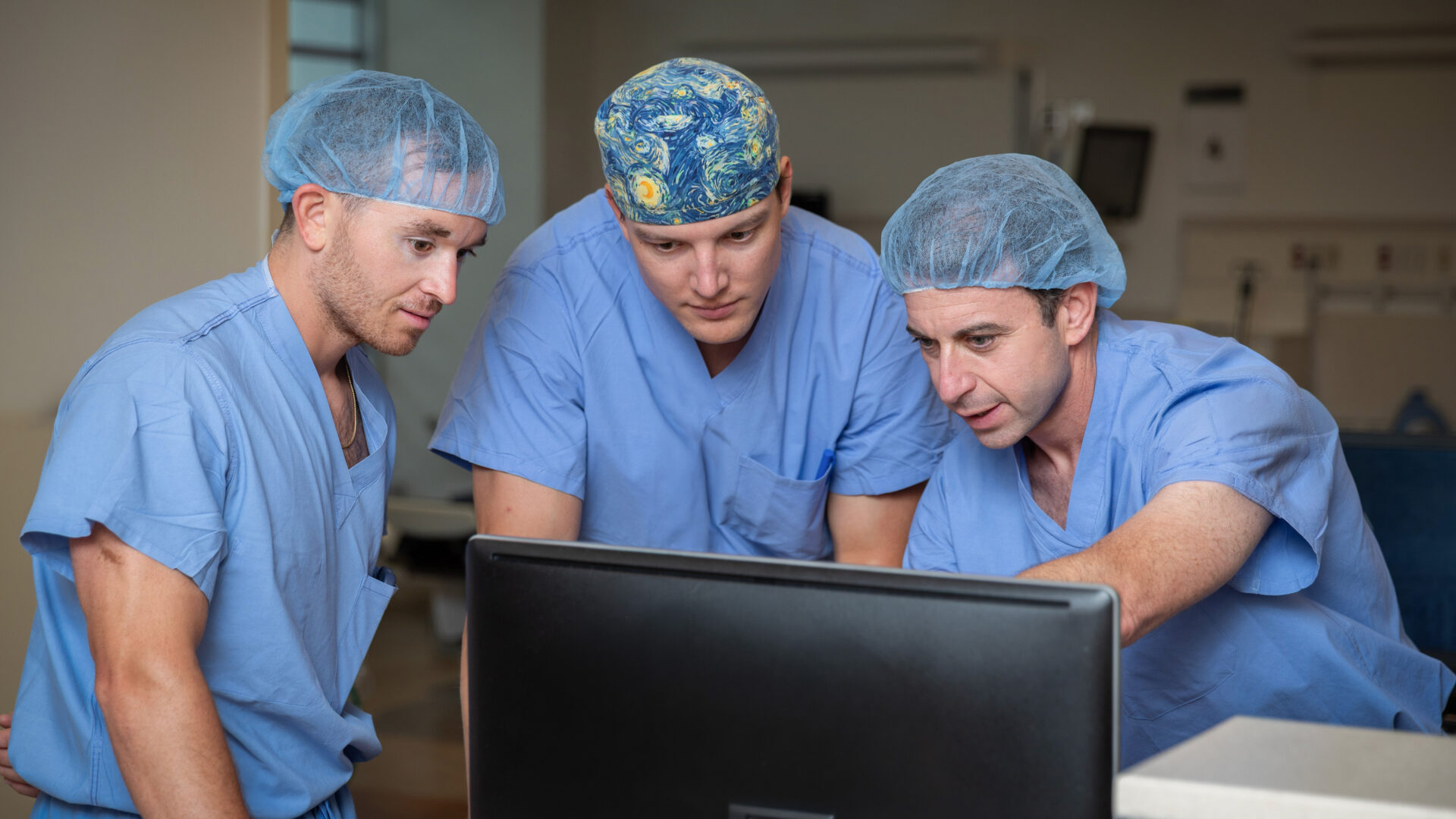
The educational approach itself has also become more data driven. We now use simulation, structured skills curricula, surgical labs, milestone-based feedback, and other data-informed strategies to help residents develop technical skills while maintaining patient safety. We place a strong emphasis on deliberate practice and continuous assessment.
Even with all that’s changed, research remains an important part of residency education; residents must learn to critically analyze the literature and contribute to advancing our specialty.
Physician Focus: How do patients benefit from your approach to training?
Dr. Strauss: Education and patient care are not separate missions—they truly go hand in hand and reinforce one another.
One important benefit of our training approach is continuity. Our residents are involved with cases from the initial evaluation through surgery, hospitalization, recovery, and follow-up. That consistency allows residents to develop a deep understanding of each patient’s case, while giving patients a familiar point of contact throughout treatment.
“Education and patient care are not separate missions—they truly go hand in hand and reinforce one another.”
Patients also benefit from the collaborative nature of academic medicine. Residents, fellows, attending faculty, nurses, therapists, and other members of our multidisciplinary care team work together to evaluate cases, discuss treatment strategies, and continuously reassess patient outcomes. This team-based approach ensures thoughtful, comprehensive care every time.
Physician Focus: What key lessons have you learned about leadership, education, and preparing the next generation of orthopedic surgeons?
Dr. Strauss: One lesson I’ve learned is that great residency programs don’t rest on reputation. Each year is a new year to pursue excellence, and truly outstanding training comes from constant attention to curriculum, mentorship, feedback, and culture.
Great programs are also well supported. The best leaders in academic medicine invest in the growth and success of the people around them. Our department’s vice chairs, Kenneth A. Egol, MD, Joseph Bosco III, MD, and Philipp Leucht, MD, PhD, have fostered an environment where our resident trainees feel challenged, supported, respected, and encouraged to reach their full potential.
“Perhaps the biggest lesson from my 16 years in orthopedic surgery education is that culture matters enormously.”
Another key lesson is that every resident learns differently. Some trainees thrive when given autonomy early, while others benefit from more guidance and structured coaching.
Recently, a fifth-year resident was operating at a high technical level but struggled to make decisions under pressure when cases did not unfold as planned. Our faculty worked closely with this resident to prioritize contingency planning and, following each case, to review together what the resident could have done in case of the unexpected. By the end of the rotation, the resident’s decision-making under pressure had noticeably improved and they felt better prepared to tackle the curveballs that often come with orthopedic surgery. That’s a program director’s job: to recognize those differences and help every resident reach the same high standard.
Perhaps the biggest lesson from my 16 years in orthopedic surgery education is that culture matters enormously. The dedication of our chair, Joseph D. Zuckerman, MD, to resident education and training has created a culture that consistently yields success. Here, expectations are high, but support and mentorship are equally strong. When that culture exists, residents develop not only as surgeons but also as teammates, mentors, and future leaders who will shape the progress of orthopedic care.